
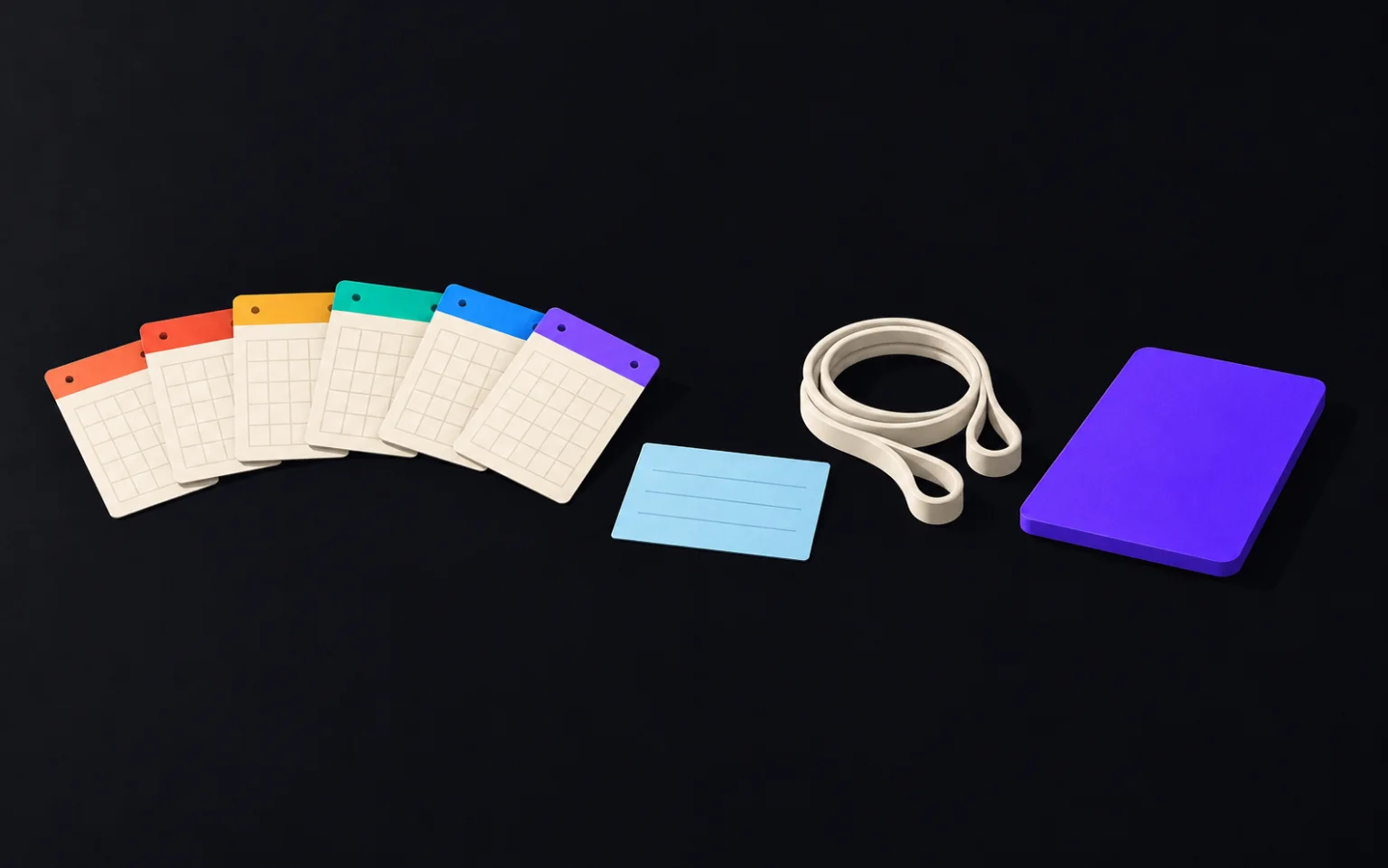
The clinic with six calendars.
Six calendars, one receptionist, and a system that lived in her head.
The problem
Three practitioners, each with a paper diary, a phone calendar, and a shared wall calendar at reception. Six calendars for one small clinic. Patients phoned, the receptionist checked three of them, called back later, and about a third of the people who filled in the website form gave up before anyone replied.
Nobody was careless. The system simply lived in one person's head, and heads are not shareable.
What we decided
- BuyA booking product already does most of this well. We chose one with a proper API and reminders built in, instead of writing our own scheduler. Rebuilding a calendar is how studios go broke.
- ConnectThe booking tool to the practitioners' phone calendars and the clinic's invoicing.
- AutomateConfirmation texts, 24-hour reminders, waitlist offers when a slot opens.
- BuildOnly the front door: a booking page on the website that shows real availability and asks three questions, not fourteen.
What we didn't build
Kept, on purpose
The practitioners kept their phone calendars; they now receive bookings instead of typing them. Invoicing stayed as it was. The wall calendar was retired with a small ceremony.
The system
Everything that floats in above used to be a separate place to look.
A patient books in under a minute and gets a text. A practitioner sees it on their phone. The receptionist sees everything on one screen and answers the phone less, which she reports as the best part.
Results
- 1
- booking system replacing six calendars
- 37%
- fewer abandoned inquiries
- 9 hrs
- of phone time returned each week
The wall calendar is in a drawer. Nobody has needed it. Nobody has said so out loud.
What we'd do next
Intake forms filled in before the first visit, and a simple no-show pattern report. Both are small. Both wait until the team has lived with the new front door for a while.
This is an illustrative engagement. The clinic, people and numbers describe the kind of problem we take on and the result we design for. Not a real client claim.